
116 – Doctor – Patient Communication
Functional GI disorders present a special challenge to the doctor-patient interaction for several reasons. First, functional GI disorders are characterized, in most cases, by vague symptoms of variable intensity. Many times, these symptoms involve the most intimate anatomic areas of the body. The sensitivity of these issues can complicate the task for the patient who needs to express them in terms that the physician can interpret to formulate a diagnosis. Secondly, the physician is hampered by the absence of obvious structural lesions that often lessens the likelihood of devising a specific medical intervention that is successful. In some cases, the physician’s own anxiety can be increased by the lack of a symptom complex that leads to well-understood disease entity, such as parasites or lactose intolerance. This deficiency, in turn, often leads both physician and patient to over-investigate the symptoms. So what are the ingredients that comprise successful doctor-patient communication about the functional GI disorders?
221- The Medical History: How to Help Your Doctor Help You
The most important interaction between patient and doctor is the medical history. Through listening to the story of the patient’s illness and asking relevant questions, a physician may often make a diagnosis, or at least begin to understand the nature and location of the complaint. A few easy steps can help make this process more efficient leading to prompt, more precise diagnosis and treatment. Revised January 2012.
179- Difficult to Interpret Intestinal Symptoms
Disorders of gastrointestinal function such as the irritable bowel syndrome or functional constipation, diarrhea, or bloating are characterized by no structural abnormality. In these cases, diagnosis depends entirely upon the history, and diagnostic tests, if needed at all, are done to rule out inflammations, tumors and other anatomic gut disease. Accurate diagnosis depends upon how accurately the individual describes his or her symptoms, and how skillfully the doctor interprets them. Reviewed and updated 2009.
231 – Can Intense Exercise Lead to GI Symptoms?
Can exercise be linked to GI symptoms such as diarrhea or heartburn? This article will help you understand how exercise and associated factors can influence the GI tract.
206 -Health Reporting in the Media: What to Believe?
Most people learn of medical progress through the media. Yet this news is often unhelpful. Exaggerated cures, contradictions, and plainly misleading information can do harm. The problem is not science, but how journalists report it, and how the public interprets it. This essay aims to help readers make sense of health news. Reviewed 2009.
141-Chronic Functional Abdominal Pain
People with functional gastrointestinal (GI) disorders can have a variety of symptoms that range from painless diarrhea or constipation, to pain associated with diarrhea and/or constipation (usually called irritable bowel syndrome). There is another, less common condition of abdominal pain that is chronic or frequently recurring; it is not associated with changes in bowel pattern. This condition is called functional abdominal pain syndrome. Cause and treatment is discussed.
Choosing Apps for Managing Chronic GI Illness

In this episode of Exploring Gut Topics, we speak with William Chey, MD, Satish Rao, MD, and Amanda Lynett, RDN, to discuss apps designed to help patients manage chronic gastrointestinal illnesses and monitor GI motility. IFFGD does not endorse any of the apps listed below; however, we want patients to know what apps are available […]
Sarah’s Personal Story
Sarah’s Personal Story: “Please help or advice welcome” The last 2 months have been horrible. Very much a rollercoaster ride. Doctors don’t know what’s going on. 2 months ago I fell ill with what I thought was a gastro bug. Symptoms were lethargy, stomach cramps, constant nausea, occasional diarrhea, loss of appetite and weakness. I went […]
Patient Perspective on Constipation

Patient Perspective on Constipation, Erin Slater, RDN From childhood symptoms to a career in nutrition and patient advocacy, Erin Slater, RDN, shares her journey of living with Functional Abdominal Pain Syndrome and IBS-C. Growing up in Voorhees, NJ, Erin’s early experiences with digestive issues shaped her passion for healthcare, leading her to study Nutritional Science […]
Living Your BEST IBS Life
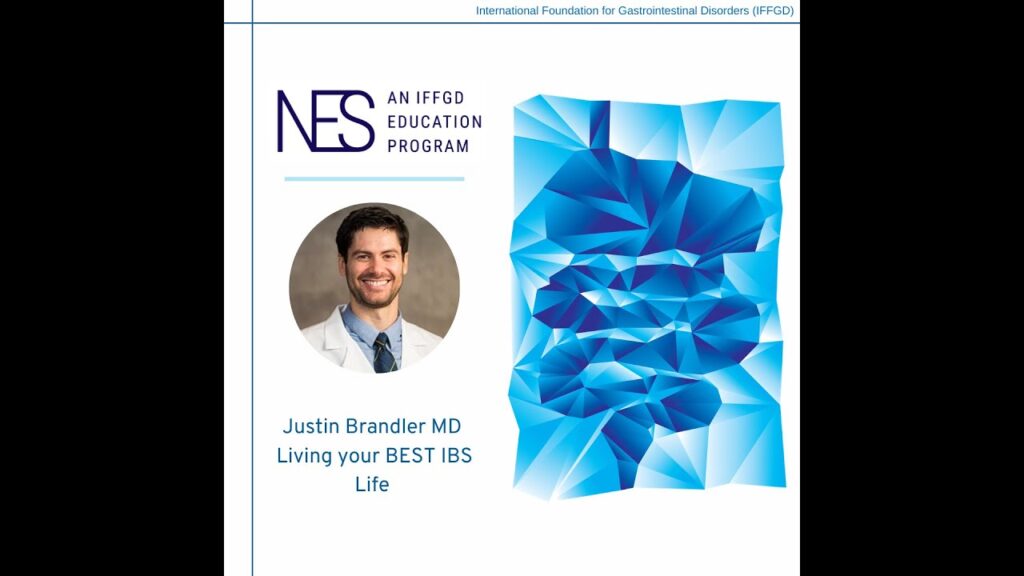
Living Your Best IBS Life, Justin Brandler MD Navigating life with Irritable Bowel Syndrome (IBS) can be challenging, but with the right knowledge and tools, you can take control of your digestive health. In this presentation, Dr. Justin Brandler breaks down what IBS is (and what it isn’t), offering a practical approach to understanding symptoms, […]
Anonymous Personal Story
Anonymous Personal Story: “in my early twenties and have been suffering with IBS for 7 years” Hi, I thought I would share my story. I am in my early twenties and have been suffering with IBS for 7 years. Before this illness started, I was a straight A student, very ambitious, confident and sociable. I […]
Sara’s Personal Story
Sara’s Personal Story: Functional Dyspepsia and IBS I have suffered with chronic severe mental issues for 16 years. I’m 21 now. As of January 2020, I have been suffering severe abdominal pain associated with Functional Dyspepsia and IBS. Every day is like hell. I can barely fall asleep due to the immense pain I’m in. […]